
Dogs: More Than Man’s Best Friend
Dogs are not just loyal companions they are powerful models for understanding human diseases. Sharing our environment, humans and dogs often develop the same health conditions, including cancer, epilepsy, cardiovascular disorders, and diabetes. While humans have complex genetics, many canine diseases are genetically simpler, making dogs ideal subjects for studying the genetic roots of illness.
Our mission is to explore the genetic basis of canine diseases to improve dog health and advance human medicine. By understanding these diseases in dogs, we can uncover key mechanisms that underlie human conditions.






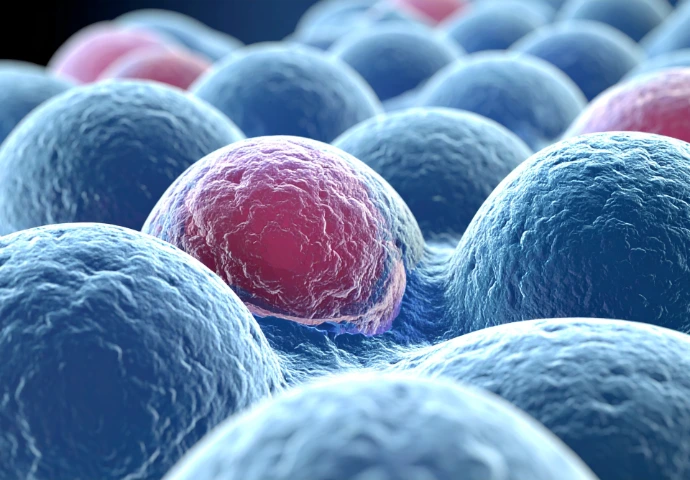
Cancer :
Dogs develop many types of cancers, including lymphoma, mammary tumors, and osteosarcoma. Certain breeds are genetically predisposed, providing models for human oncology research.
Epilepsy:
Canine epilepsy often runs in families, helping scientists study neurological disease mechanisms and seizure genetics.

Cardiovascular Disorders:
Heart conditions such as dilated cardiomyopathy and arrhythmias are common in certain breeds, offering insight into human heart diseases.

Diabetes:
Breed-specific genetic factors in dogs can reveal pathways involved in insulin regulation and glucose metabolism.
Symptoms of Canine Diseases
Recognizing early signs of disease is crucial for diagnosis and treatment. While symptoms vary by condition, some common indicators include:
Cancer:
Lumps, unexplained weight loss, fatigue, abnormal bleeding
Epilepsy:
Seizures, sudden collapse, loss of consciousness
Cardiovascular Disorders:
Coughing, fatigue, difficulty breathing, fainting episodesDiabetes:
Increased thirst, frequent urination, sudden weight loss, lethargy
Diagnostic Approaches in Canine Genetics

Genetic research in dogs relies on advanced diagnostic techniques, including:
Genome Comparison :
Comparing affected dogs to healthy dogs of the same breed to identify mutations.
Molecular Analysis :
DNA sequencing and gene mapping to pinpoint genetic defects.
Phenotype Observation :
Careful monitoring of symptoms and clinical signs to correlate with genetic findings.
Scientific Approach and Impact
Our project uses a structured scientific methodology:

Sample Collection :
Healthy and affected dogs are identified within specific breeds.

3. Functional Study :
Identified genes are analyzed to understand the biological pathways they affect.

2. Genomic Analysis :
Whole-genome sequencing and bioinformatics are used to detect disease-causing variants.

4. Translation to Human Medicine :
Findings in dogs guide research into human disease mechanisms, drug targets, and potential therapies.
Why Canine Genetics Matters for Humans
The identification of disease-related genes in dogs provides insights into:
Disease mechanisms and biological pathways
Development of preventive strategies
Novel therapeutic targets for human medicine
Dogs present a neurogenetic system with unique benefits not found in other model systems for studying complex human disorders.
